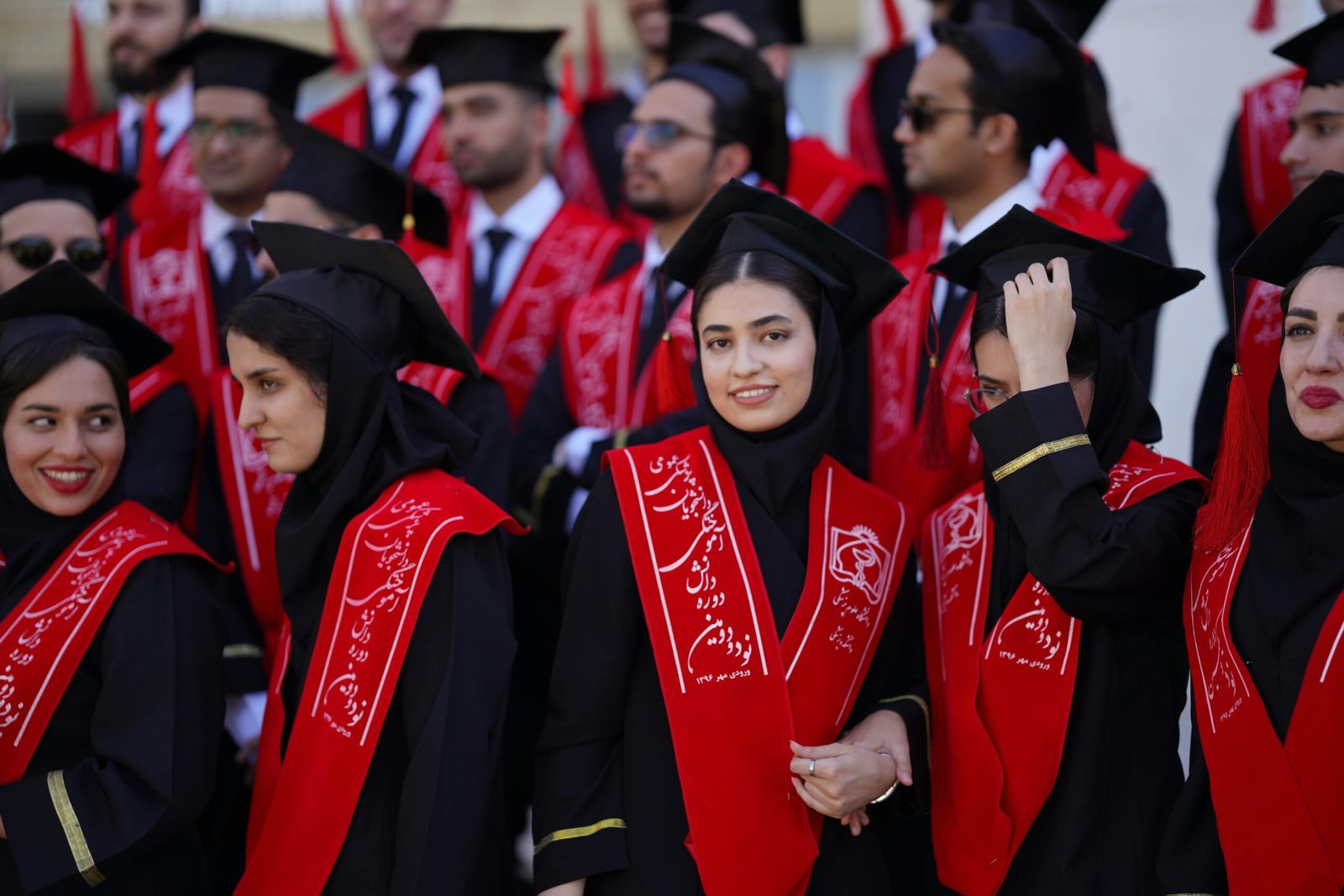

Millions of students across Asia share the dream of studying abroad. Whether you are from India, Pakistan, Bangladesh, Nepal, Sri Lanka, Indonesia, Vietnam, Malaysia, the Philippines, China, Japan or another Asian country, earning an international degree can expose you to new academic systems, professional networks and career opportunities.
The most significant obstacle, however, is often the cost.
Tuition fees, accommodation, health insurance, airfare, visa expenses, textbooks and everyday living costs can quickly add up. Fortunately, governments, universities and international organisations offer scholarships that can cover many—or in some cases almost all—of these expenses.
If you are searching for fully funded scholarships for Asian students in 2026, the important thing is not simply to collect a long list of scholarship names. You also need to understand which opportunities match your academic level, nationality and professional background, what the funding actually covers, and how each application process works.
This guide explores 10 major scholarship programmes available to students from Asian countries, explains their funding and eligibility, and shows you how to approach the scholarship application process strategically.
What Are Fully Funded Scholarships for Asian Students?
A fully funded scholarship generally covers most of the major expenses associated with completing a degree. Depending on the programme, funding may include:
- Full tuition fees
- Monthly living allowance
- Accommodation or housing support
- Health or medical insurance
- Round-trip airfare
- Visa-related expenses
- Research or study allowances
- Language preparation
- Settling-in allowances
However, “fully funded” does not always mean that absolutely every personal expense is covered.
Funding packages vary considerably. One scholarship may cover tuition, airfare and living expenses, while another may leave students responsible for visa fees, family expenses or additional travel costs.
Before applying, always check the current official scholarship guidelines rather than relying only on the phrase “fully funded”.
10 Major Fully Funded Scholarships for Asian Students in 2026
Some of the most important scholarship programmes that Asian students should know about include:
- Chevening Scholarships – United Kingdom
- Japanese Government (MEXT) Scholarship – Japan
- Global Korea Scholarship (GKS) – South Korea
- Chinese Government Scholarship (CSC) – China
- DAAD Scholarships – Germany
- Erasmus Mundus Joint Masters Scholarships – Europe
- Fulbright Foreign Student Program – United States
- Commonwealth Scholarships – United Kingdom
- Singapore International Graduate Award (SINGA) – Singapore
- Joint Japan/World Bank Graduate Scholarship Program
These programmes do not all target the same applicants. Some of these programmes fund undergraduate study, while others target master’s students, PhD researchers, or professionals with several years of work experience.
Quick Comparison of Fully Funded Scholarships for Asian Students
| Scholarship | Destination | Main Degree Level(s) | Major Funding |
|---|---|---|---|
| Chevening | United Kingdom | Master’s | Tuition, stipend, travel and other allowances |
| MEXT | Japan | Undergraduate, postgraduate/research and other categories | Tuition, stipend and airfare |
| Global Korea Scholarship | South Korea | Undergraduate and graduate | Tuition, stipend, airfare and other support |
| Chinese Government Scholarship | China | Undergraduate, Master’s and PhD | Varies by scholarship category |
| DAAD | Germany | Mainly master’s, PhD and research | Varies by DAAD programme |
| Erasmus Mundus | Europe and partner countries | Master’s | Participation costs, living and travel support |
| Fulbright Foreign Student Program | United States | Mainly master’s, PhD and research | Funding varies by country and award. |
| Commonwealth Scholarships | United Kingdom | Mainly postgraduate | Tuition, stipend, airfare and other allowances |
| SINGA | Singapore | PhD | Tuition, stipend and specified allowances |
| Joint Japan/World Bank | Participating universities | Master’s | Tuition, living costs, travel and insurance |
This comparison is useful for narrowing your search, but it should not replace reading the eligibility conditions for each programme. Two scholarships may appear similar in terms of funding while targeting very different applicants.
1. Chevening Scholarships for Asian Students
Chevening is the UK Government’s international scholarship programme for emerging leaders. It supports eligible applicants from participating countries to complete a one-year master’s degree in the United Kingdom.
For students from Asia, Chevening can be particularly attractive because many countries across the region participate. However, the programme is not designed simply to reward high grades. Applicants are also expected to demonstrate professional experience, leadership potential and a clear idea of what they intend to do after their studies.
What Does Chevening Cover?
A Chevening Scholarship normally includes:
- University tuition fees
- A monthly living allowance
- Economy travel to and from the UK
- An arrival allowance
- Visa application costs
- A departure allowance
- Other specified travel-related allowances
Key Eligibility Requirements
Applicants must meet several conditions, including:
- Citizenship of a Chevening-eligible country or territory
- An undergraduate degree qualifying them for a UK master’s programme
- At least two years of post-graduation work experience, equivalent to 2,800 hours
- Applications to three eligible UK courses
- An unconditional offer from at least one course by the specified deadline
- Commitment to return to the country of award for at least two years after completing the scholarship
For the 2027/28 Chevening cycle, applications opened on 4 August 2026 and close on 6 October 2026 at 11:00 UTC.
The key lesson here is that Chevening requires more than collecting academic documents. Your work experience, course choices and future goals need to tell a coherent story.
Check the official Chevening eligibility requirements.
2. MEXT Scholarship: Fully Funded Study in Japan
The Japanese Government (MEXT) Scholarship is one of the major government scholarship programmes available to international students who are interested in studying in Japan.
Unlike scholarships restricted to one degree level, MEXT has several categories. These include:
- Research students
- Teacher-training students
- Undergraduate students
- Japanese-studies students
- College of Technology students
- Specialised Training College students
- Young Leaders Programme students
What Does the MEXT Scholarship Cover?
Depending on the scholarship category, successful students can receive:
- Tuition and relevant university fee exemptions
- Monthly scholarship allowance
- Round-trip airfare
- Preparatory or Japanese-language education where applicable
Embassy Recommendation vs University Recommendation
One of the most important things prospective MEXT applicants need to understand is that there are different application routes.
Under the Embassy Recommendation route, applicants are recruited and initially screened through the Japanese embassy or diplomatic mission responsible for their country.
Under the University Recommendation route, participating Japanese universities recruit and recommend eligible candidates to MEXT.
Not every scholarship category follows both routes. Applicants should therefore identify the correct MEXT category and application route before preparing their documents.
This is also why searching simply for “MEXT deadline” can be misleading. Application schedules and requirements can depend on the scholarship category, route and country.
3. Global Korea Scholarship (GKS)
South Korea has become an increasingly popular destination for international students, and the Global Korea Scholarship (GKS) is one of the country’s major government-funded programmes.
GKS provides opportunities for international students to complete undergraduate and graduate degrees at participating Korean universities.
What Does GKS Cover?
Depending on the programme and current guidelines, support may include:
- Tuition fees
- Airfare
- Monthly allowance
- Korean-language training
- Settlement support
- Research-related support for eligible graduate scholars
- Other programme-specific allowances
Embassy Track and University Track
Applicants should pay close attention to the application route.
GKS operates through routes including the Embassy Track and University Track. The route selected can affect where you submit your application and the universities available to you.
This case is an important example of why students should read the complete scholarship guidelines instead of applying based only on a social media announcement.
As of September 2026, South Korea has already published the 2027 Global Korea Scholarship Undergraduate application guidelines, together with information for the Embassy and University tracks.
That teaches an important scholarship-planning lesson: applications for a future academic year can begin during the previous year. Students hoping to study abroad in 2027 should therefore already be researching opportunities in 2026.
4. Chinese Government Scholarship (CSC)
China has become a major destination for international education, with universities offering programmes across engineering, medicine, economics, business, artificial intelligence, computer science and many other disciplines.
The Chinese Government Scholarship, commonly associated with the China Scholarship Council (CSC), provides funding opportunities for international students studying at participating Chinese universities.
Degree Levels
Depending on the programme and scholarship route, opportunities may be available for:
- Bachelor’s degrees
- Master’s degrees
- Doctoral programmes
- Research or specialised study
What Can the Scholarship Cover?
Funding can vary by scholarship type and category but may include:
- Tuition fees
- University accommodation or housing support
- Monthly living stipend
- Medical insurance
One mistake applicants make is treating the “CSC Scholarship” as if it were a single application with a single universal deadline.
In reality, application procedures may differ depending on the university, scholarship category, embassy or other nominating authority.
Before applying, check:
- Whether your chosen university participates
- Your correct scholarship category
- The programme’s language requirements
- Whether university admission or pre-admission is required
- Required documents
- The applicable deadline
- Exactly what the funding package covers
This information is especially important because a deadline published for one university or application route may not apply to another.
5. DAAD Scholarships for Study in Germany
Germany is known for its strong public university system and extensive opportunities for postgraduate education and research. The German Academic Exchange Service (DAAD) administers a number of scholarship programmes for international students.
The key word here is numerous.
There is no single universal “DAAD Scholarship” with one deadline, one stipend and one set of requirements.
Different DAAD programmes target different groups of applicants.
One well-known example is the Development-Related Postgraduate Courses (EPOS) programme, which supports qualified professionals from eligible developing and newly industrialised countries who wish to undertake selected postgraduate programmes in Germany.
What Can DAAD Funding Include?
Depending on the specific programme, support may include:
- Monthly scholarship payments
- Health and accident insurance
- Travel allowance
- Study or research support
- Possible additional allowances
Who Should Consider DAAD?
DAAD opportunities can be particularly relevant for students and professionals interested in fields such as:
- Economics
- Development studies
- Engineering
- Public policy
- Environmental sciences
- Mathematics and sciences
- Agriculture
- Regional planning
- Public health and related disciplines
Applicants should search the DAAD scholarship database and identify a programme that matches their profile, rather than searching for a generic “DAAD application”.
6. Erasmus Mundus Joint Masters Scholarships
If you want to complete a master’s degree while studying at more than one university or in more than one country, an Erasmus Mundus Joint Master can provide a distinctive international study experience.
Groups of higher education institutions jointly design and deliver these programmes. Students from around the world can apply, and full scholarships are available to highly ranked applicants.
What Does an Erasmus Mundus Scholarship Cover?
Scholarship funding covers or contributes toward major study costs, including:
- Participation costs
- Living expenses
- Travel
- Visa costs
Scholarship holders are not charged tuition fees or other mandatory participation costs under the programme’s funding rules.
How Does the Application Work?
One of the most important points to understand is that students do not submit a single general application to the European Union and wait to be assigned to a master’s programme.
Instead, you:
- Search for an Erasmus Mundus Joint Master that matches your academic background.
- Review the entry requirements for that programme.
- Apply directly to the institution or consortium that manages the programme.
- Follow the scholarship application instructions for the programme.
Most student applications are submitted between October and January for programmes beginning in the following academic year, although each master’s programme sets its own requirements and deadlines.
Explore the official Erasmus Mundus Joint Masters information.
Before choosing a programme simply because it offers full funding, examine whether your previous degree actually meets its academic prerequisites.
7. Fulbright Foreign Student Program
The Fulbright Foreign Student Program allows eligible international students to undertake graduate study or research in the United States.
Many Asian countries participate, but the Fulbright Program is an important example of why students should be careful with broad online descriptions of “fully funded scholarships”.
Is Fulbright Fully Funded?
Funding arrangements can vary according to the applicant’s country and specific Fulbright award.
Students should therefore not automatically assume that every Fulbright Foreign Student award provides exactly the same financial package.
Depending on the country programme and award, support may include a combination of:
- Tuition or university funding
- Living support
- Health-related benefits
- Travel
- Other programme allowances
How Do You Apply?
International applicants normally apply through the Fulbright Commission/Foundation or the U.S. Embassy responsible for their country.
Country-specific instructions may determine:
- Eligible fields
- Academic requirements
- Funding
- Required tests
- Application deadlines
- Placement procedures
The correct approach is therefore to locate the Fulbright instructions for your country, rather than relying on requirements quoted for an applicant from another country.
8. Commonwealth Scholarships
Commonwealth Scholarships support students from eligible Commonwealth countries, including several countries in Asia.
Depending on the specific scholarship scheme, opportunities may be available for postgraduate study and research in the United Kingdom.
What Can Commonwealth Funding Cover?
A comprehensive Commonwealth award may include:
- Approved tuition fees
- Return airfare
- Monthly living stipend
- Study-related travel grants
- Thesis-related support where applicable
- Other allowances subject to the particular scheme
Eligibility is based on the rules of the specific Commonwealth scholarship, not simply on being Asian.
Students should therefore confirm:
- Whether their country is eligible
- Which Commonwealth scholarship they are applying for
- Academic requirements
- Development or programme priorities
- Application route
- Current deadline
Different Commonwealth scholarship schemes can have different requirements, so always read the current call for the specific award.
9. Singapore International Graduate Award (SINGA)
The Singapore International Graduate Award (SINGA) is particularly relevant to students interested in doctoral research.
Unlike several scholarships discussed above, SINGA is not a general scholarship for undergraduate or master’s study. It focuses on PhD training and research in Singapore.
What Can SINGA Provide?
Funding typically includes:
- Tuition support
- Monthly stipend
- Airfare grant
- Settling-in allowance
Who Is SINGA Best Suited For?
Strong candidates generally need:
- Good academic preparation
- Genuine interest in research
- Strong academic references
- Appropriate background for the research area
- Good English communication skills
For a research scholarship like SINGA, the question should not simply be, “Am I eligible?”
You should also ask:
Does the available research environment match what I actually want to study?
At the PhD level, research fit can be just as important as scholarship funding.
10. Joint Japan/World Bank Graduate Scholarship Program
The Joint Japan/World Bank Graduate Scholarship Program (JJ/WBGSP) supports eligible professionals from developing countries pursuing development-related master’s study.
It is particularly relevant to applicants whose education and professional experience connect with economic and social development.
What Does the Scholarship Cover?
The programme can provide support for:
- Tuition
- Monthly living expenses
- Economy-class travel
- Basic medical insurance through the university
- Specified travel allowances
Applicants should still read the exclusions carefully because a comprehensive scholarship does not necessarily pay every personal expense.
Who Is It Designed For?
Applicants generally need to satisfy requirements relating to:
- Citizenship of an eligible developing country
- Academic qualifications
- Relevant professional experience
- Admission to an eligible participating master’s programme
- Development-related career experience
This award is not primarily a scholarship for someone who has just completed an undergraduate degree with no relevant professional experience.
That distinction demonstrates why eligibility should always come before enthusiasm when choosing scholarships.
How to Know Which Scholarship You Should Apply For
Seeing ten attractive scholarships can make you want to apply for all of them.
That is not necessarily the best strategy.
Start by asking a few important questions.
Is My Nationality Eligible?
Some scholarships are global, while others restrict applications to specified countries.
Is My Degree Level Supported?
A fully funded PhD scholarship is not useful if you are currently looking for an undergraduate degree.
Does My Academic Background Fit?
A student with a business degree may not meet the prerequisites for a specialised engineering master’s, even if the programme offers a scholarship.
Do I Meet the Professional Experience Requirements?
Programmes such as Chevening, DAAD EPOS and JJ/WBGSP place importance on professional experience.
Does the Programme Fit My Future Goals?
Being technically eligible is different from being a strong candidate.
Before applying, assess your academic record, experience, leadership, volunteering, research, skills and career direction.
For a detailed approach, read our guide on how to build a strong scholarship application profile before you apply.
Which Scholarships May Fit Your Profile?
The following comparison can help you narrow the list according to your current academic or professional situation.
| If You Are… | Scholarships Worth Investigating | Why They May Fit |
|---|---|---|
| An undergraduate applicant | MEXT, GKS, selected CSC programmes | These scholarship systems include undergraduate study routes. |
| Looking for a master’s degree | Chevening, Erasmus Mundus, Commonwealth, MEXT, GKS, DAAD EPOS, selected CSC programmes | These programmes provide or include funding opportunities for postgraduate study. |
| Looking for PhD or research funding | SINGA, MEXT, GKS, selected CSC and DAAD programmes | These programmes include doctoral or research pathways. |
| A professional with relevant work experience | Chevening, DAAD EPOS, JJ/WBGSP | Professional experience is an important eligibility or selection consideration. |
| Interested in studying across Europe | Erasmus Mundus Joint Masters | Programmes can involve study at multiple universities and in multiple countries. |
| Interested primarily in East Asia | MEXT, GKS, CSC, SINGA | These provide major scholarship or research-funding routes in Japan, South Korea, China and Singapore. |
Use this table as a starting point, not as an eligibility decision.
For example, being a master’s applicant does not automatically make you eligible for Chevening or DAAD EPOS. Each programme has additional requirements concerning nationality, previous education, professional experience, field of study or other criteria.
A sensible scholarship strategy is therefore to shortlist opportunities in two stages: first identify scholarships supporting your degree level and preferred destination, then compare their detailed eligibility requirements with your academic and professional profile.
Documents You Should Prepare for Scholarship Applications
Although requirements differ, commonly requested documents include:
- Academic transcripts
- Degree certificates
- International passport or accepted identification
- Updated CV or résumé
- Personal statement
- Statement of purpose
- Recommendation letters
- English-language proficiency results where required
- Research proposal for some postgraduate programmes
- Employment evidence where professional experience is required
- Medical documents where requested
Preparing these documents early gives you more time to concentrate on tailoring your application.
However, do not assume that uploading more certificates automatically makes an application stronger. Submit what the scholarship requests and prioritise evidence that demonstrates your suitability.
How to Write a Strong Scholarship Application
Competitive scholarships receive applications from many candidates who already meet the minimum academic requirements.
Your job is therefore not merely to state your qualifications. You need to demonstrate why your experiences, goals and proposed study fit together.
A useful way to consider your application is:
Past experience → present preparation → proposed study → future impact
For example, instead of writing:
“I am passionate about leadership.”
show where you demonstrated leadership, what you actually did and what changed as a result.
Instead of saying:
“This scholarship will help me achieve my dreams.”
Explain what specific knowledge, training or network the programme offers and how you intend to use it.
Your essays should provide evidence rather than a collection of impressive adjectives.
If writing scholarship essays is one of your challenges, our step-by-step guide to writing a winning scholarship essay explains how to structure your ideas and use examples effectively.
Common Mistakes That Can Weaken Your Scholarship Application
Many applications are weakened by avoidable mistakes.
Applying Without Reading the Eligibility Criteria
Do not spend several days writing essays before confirming that you satisfy mandatory requirements.
Using One Personal Statement for Every Scholarship
Different scholarships have different objectives. A generic essay may fail to demonstrate why you fit a particular programme.
Ignoring the Difference Between Admission and Scholarship Applications
Some programmes combine the two processes. Others require separate applications or university admission first.
Understand the sequence before you begin.
Waiting Until the Deadline
Transcripts, references, certified documents and language tests can take time.
Starting early gives you room to solve unexpected problems.
Depending Entirely on Scholarship Blogs
Scholarship websites can help you discover and understand opportunities, but always confirm critical information—especially eligibility, benefits and deadlines—on the official provider’s website before submitting your application.
Focusing Only on the Money
A large stipend does not make a scholarship suitable for you.
Start with eligibility and academic fit. Funding comes afterward.
Practical Timeline for Preparing Scholarship Applications
Exact deadlines vary, but you can plan your preparation around a general timeline.
| Period Before Deadline | What to Do |
|---|---|
| 6–12 months | Research scholarships, programmes and destinations, and identify any gaps in your profile. |
| 3–6 months | Shortlist opportunities, prepare tests, update your CV and identify referees. |
| 1–3 months | Draft essays, collect documents and request recommendation letters. |
| Final month | Complete applications, proofread everything and verify requirements. |
| Final days | Submit early and keep a record of your submission confirmation. |
Starting early also allows you to abandon an unsuitable scholarship before wasting time on a complete application.
Tips to Improve Your Scholarship Chances
There is no formula that guarantees a scholarship, but thorough preparation can improve the quality of your application.
- Apply to opportunities that genuinely match your profile.
- Read the scholarship’s objectives, not just its benefits.
- Start preparing months before the deadline.
- Use specific examples when discussing leadership or impact.
- Quantify achievements where appropriate.
- Tailor your essays to each programme.
- Choose referees who know your work well.
- Explain the relationship between your previous experience and future plans.
- Proofread your application carefully.
- Keep copies of everything you submit.
- Monitor your email and application portal after submission.
Most importantly, avoid measuring the strength of your application only by your GPA.
Academic performance matters, but many scholarships also consider professional experience, leadership, research potential, community involvement and the clarity of your future goals.
Frequently Asked Questions
What Are Fully Funded Scholarships for Asian Students?
They are scholarships available to eligible students from Asian countries that cover most major costs associated with studying. Depending on the programme, funding may include tuition, monthly living expenses, travel, insurance and other allowances.
Are all scholarships in this guide fully funded?
Funding differs by programme. Some provide very comprehensive packages, while others vary by country, scholarship category or individual award.
Fulbright is an important example: applicants should verify the funding attached to their particular country programme or award rather than assuming that every Fulbright Foreign Student award provides an identical package.
Can Undergraduates Apply for Fully Funded Scholarships?
Yes. Programmes such as MEXT and GKS offer undergraduate opportunities. Many other major international scholarships, however, focus primarily on master’s or doctoral study.
Which Countries Offer Major Scholarships for Asian Students?
Popular destinations include the United Kingdom, Japan, South Korea, China, Germany, the United States and Singapore.
European multi-country programmes, such as Erasmus Mundus, also provide substantial scholarship opportunities.
Do I Need IELTS or TOEFL?
Not always.
Language requirements depend on the scholarship and university. Some institutions accept alternative evidence of English proficiency, while others specifically require recognised language tests.
Always verify both the scholarship requirements and university admission requirements.
What GPA Do I Need for a Fully Funded Scholarship?
There is no universal GPA requirement.
Every scholarship has its own academic criteria, and many programmes also consider other factors, such as professional experience, leadership, research potential, and community impact.
Can I Apply for Several Scholarships at the Same Time?
In many cases, yes. However, you should check the rules of each programme regarding simultaneous applications, other scholarships or holding multiple awards.
Applying to several well-matched scholarships is usually more sensible than applying indiscriminately to dozens.
Are There Age Limits?
Some scholarship programmes and categories have age restrictions, while others do not have a general upper age limit.
This is another reason why applicants should check the eligibility rules for the exact scholarship and study category, rather than assuming that one rule applies to every programme.
When Should I Start Preparing?
Ideally, begin researching scholarships around 6–12 months before expected deadlines.
Some applications for the following academic year open surprisingly early. For example, the official 2027 GKS undergraduate guidelines were published in September 2026.
The earlier you understand the requirements, the more time you have to strengthen weak areas of your profile and prepare the necessary documents.
Final Thoughts on Fully Funded Scholarships for Asian Students
Fully funded scholarships can make international education possible for students who might otherwise struggle to meet the cost of studying abroad. But successful scholarship planning involves much more than just finding a list of programmes with attractive benefits.
Start by understanding your profile.
What degree level are you looking for? Which scholarships accept applicants of your nationality? Does your academic background meet the programme’s requirements? Do you have the professional experience required? And, most importantly, does the opportunity fit the direction you want your education and career to take?
Once you have answered those questions, you can shortlist scholarships intelligently and invest more time in applications where you genuinely have a strong fit.
Prepare your documents early, study the official requirements, tailor your essays and use specific evidence to demonstrate your achievements and goals.
The objective is not to apply for every fully funded scholarship you find.
It is to identify the right opportunities, understand exactly what they require and submit applications that clearly show why you belong there.